A new patio on bare ground
This suits a yard that's dirt, lawn or loose pavers right now. We strip the topsoil and roots, which rot and leave soft spots under a slab, and pack the ground firm before a single form goes in.
Bare dirt or a cracked, sinking slab out back? We pack the ground, plan where rain goes and pour a patio you'll actually use.
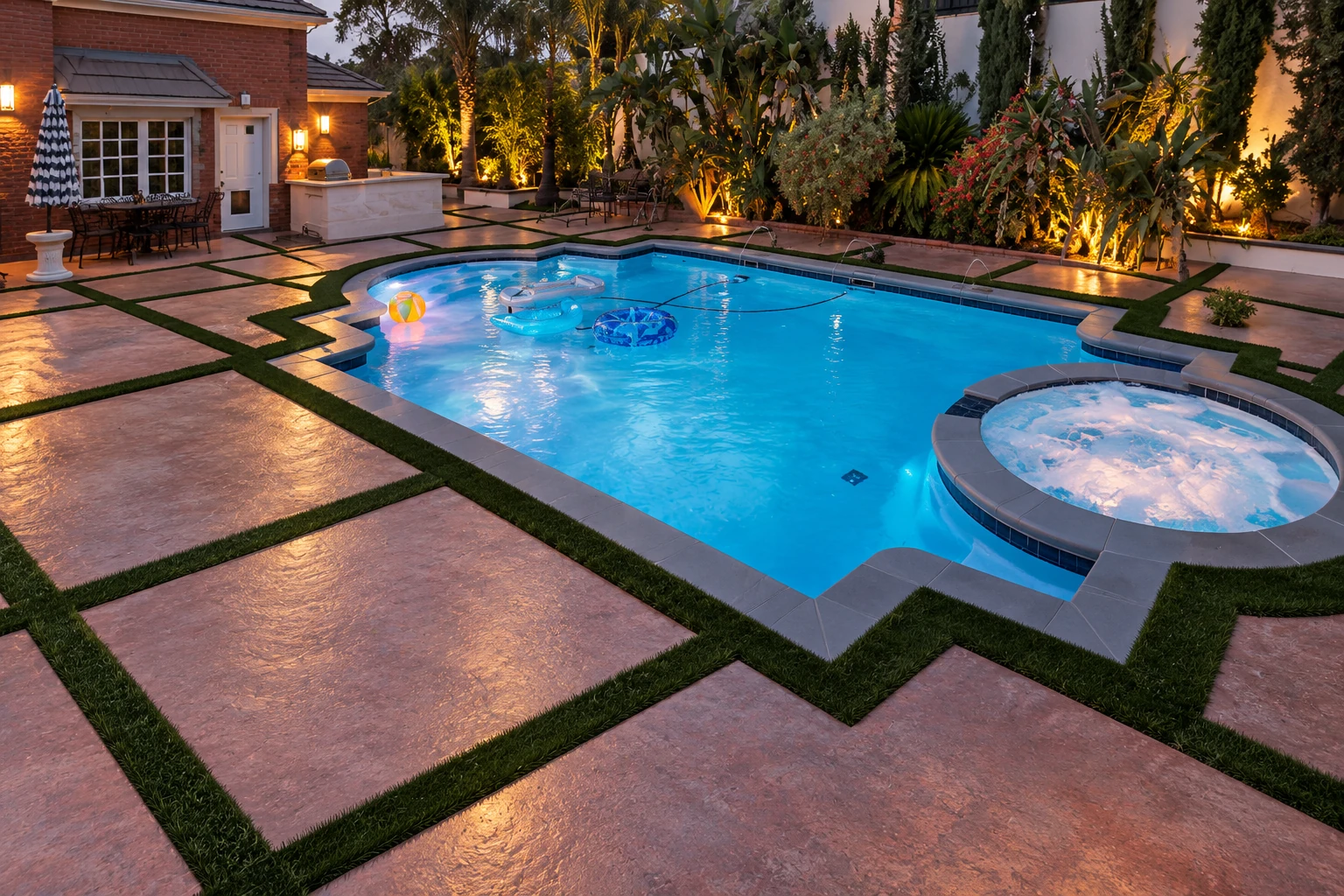
Concrete patio construction in Torrance means digging out the yard, packing a firm base, setting forms and pouring a slab you can walk out onto without tracking mud back in, and most of how well it holds up gets decided before the concrete truck shows up.
Most patio calls we get start with bare dirt by the back door or an old slab that's cracked, sunk at one end or holding a puddle every time it rains. The price mostly follows the patio's size, how much soil has to come out, how easy your backyard is to reach and the finish you pick, and the schedule follows the prep, the weather on pour day, any step the city asks for and the curing, the wait while the concrete gains strength before it can take weight. The estimate puts a price on your yard before anything gets dug.
I come out to look at your yard and write the estimate myself, and I'm on site with our crew when we dig, form and pour. I'd rather you understand what you're paying for before we start than find a surprise halfway through.
I spent years as another contractor's right hand, running the crew and sorting out the jobs that didn't go by the book, then started our company in Torrance in 2023. We get a lot of the awkward ones now, like backyards you can only reach through a side gate.
California only lets an unlicensed person take small jobs up to $1,000, and only when the work needs no permit and they employ nobody, so ask any patio crew about its license. We're licensed and fully insured. Call (424) 318-3115 or use the form to book a visit.
We reply within one business day to set up a free on-site estimate, and there's no obligation to go ahead. I'll come out, look at the yard and where the water runs, and write up the estimate, so it helps to have your address, the rough patio size, the finish you're leaning toward and where your downspouts drain. Satisfaction guaranteed.
We don't assume a patio does or doesn't need a permit, so before we schedule anything, I check with the city on what your job calls for. When a permit is needed, Torrance wants proof of zoning clearance from its planning or environmental division before it takes the application, and everything now gets filed online through the city's permit center, not on paper. If your job calls for one, we handle that paperwork with you.
We're based in Torrance and pour patios across the cities around it, from Redondo Beach to Lomita. Here at home the ground matters, because the city's expansive soil guidelines say a fine clay that swells and shrinks sits under most of North Torrance and the Walteria Lake area of Southwest Torrance, and slabs on it tend to show more hairline cracks than slabs on sandy soil. When a yard there needs a closer look before anyone can be sure, the city points owners to its Grading Division at (310) 618-5910 for soil advice.
There's no flat price for a patio, because the cost comes from your yard, mainly the size, how much soil has to be dug and hauled, how easy it is to get the crew and the concrete into the backyard, and the finish you choose. If the budget gets tight, I'd keep the money in the base and the drainage and go simpler on the finish, because a fancy top on poorly packed ground settles and cracks just the same. The estimate breaks it down so you can see where the money goes.
Settle where the patio goes, which way rain should leave it and what finish you want first, then let the prep wrap up before the concrete is ordered. Concrete industry guidance puts the digging, packing, forms and steel ahead of delivery, because delays once the concrete arrives can lower the slab's final quality, and that's how we schedule it. The permit check described above comes before any of that.
For most yards a plain broom finish is the right call, because dragging a broom across the wet surface leaves a texture that gives you safer footing. If you want more look, the choices include exposed aggregate, color added on top or mixed through, and stamped patterns, but those take much more care and experience, so ask any contractor how many they've done. I'll help you match the finish to how you actually use the yard.
A little standing water, often called birdbaths, is expected even on a patio sloped for drainage, because building tolerances and normal surface changes over time leave shallow low spots. What shouldn't happen is water running back toward your walls, which is why we set the slope away from the house. City guidance for homes on clay soil says downspouts should empty onto paved areas away from the building so the water heads for the street, and we plan around yours when they sit near the patio.
Probably a few hairline cracks, since the city expects more of them on that clay and says not much can be done to prevent minor soil movement. What we control is how much the slab moves and where it cracks, so we pack the base firm, keep water from soaking the ground beside the slab and cut the control joints on time. A slab built that way tends to crack small and in the joints, not across the middle like the old one.
California law caps the down payment on a home improvement contract at $1,000 or ten percent of the contract price, whichever is less. So on a home improvement contract, the most a contractor can ask up front is the smaller of those two amounts.