Smooth floor left bare
This suits garages, workshops and storage rooms where the concrete is the finished floor. We trowel it tight and hard so it sweeps clean, and you can seal it later if you want it to shrug off oil and dust.
Cracked, damp or uneven concrete floor, or a new space that needs one? We plan the joints, vapor barrier and cure so it holds up.
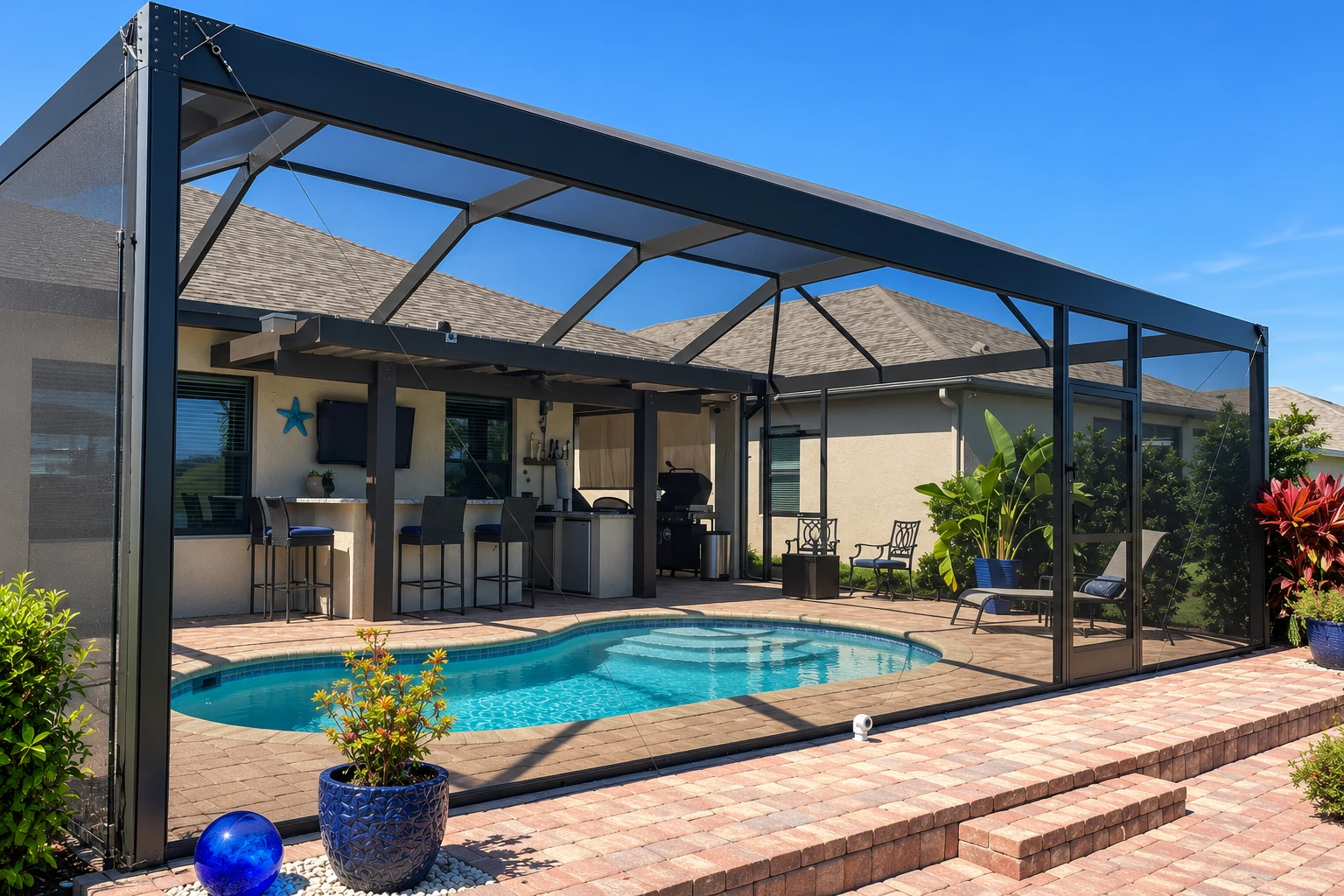
Concrete floor installation in Torrance means we prepare the ground, lay the vapor barrier and steel, pour and finish an indoor slab, then cut joints and cure it so the cracks land where we planned and your flooring has a barrier between it and the ground moisture. Curing takes weeks, not days, so we plan the pour around when you need the room back.
Most floor calls start one of two ways, with an old slab that's cracked, damp or out of level, or with a new space like a converted garage, a workshop or an addition that needs a floor poured. The price moves with the size in square feet, how easy it is to get concrete to the spot, whether an old slab has to be cut out first, what shape the ground underneath is in and the finish you want, while the schedule turns on the permit check, the cure and how soon you want flooring down. I come out, look at the space and write up the estimate, so you see your own figure before anything's on the calendar, and if it's a garage, our garage floor concrete page goes deeper on that kind of slab.
I come out to look at your floor and write the estimate myself, and I work alongside our crew when we pour. The person who sized up your base, joints and barrier is the one standing there making sure they go in that way.
I spent years as another contractor's right hand, running the crew and sorting out the jobs that didn't go by the book, then started our company in Torrance in 2023. That's why tight access and cuts through old slabs don't send us away.
Our company is licensed and fully insured, and you don't have to take my word for it. The state's contractor license lookup shows a license and any complaint disclosure, so check before you sign, then call (424) 318-3115 to set up a visit.
Send the form or call, and we'll reply within one business day. The estimate is free and there's no obligation. I'll come out, look at the space and write it up, so it helps to have the rough square footage, your part of Torrance and any covering you have in mind.
Whether your floor needs a permit isn't something I'll guess at, so before we schedule anything, we check with the city or county office for your address, and if a permit is called for, we handle the paperwork with you. In Torrance, an application starts with zoning clearance from the city's Planning or Environmental Division, and the city's permit center takes all plan reviews and submittals online, so paper plans don't go in anymore.
The ground matters here too. City guidance says expansive soil, a fine-grained clay that swells when it's wet and shrinks as it dries, is found in most of North Torrance and around Walteria Lake in Southwest Torrance, and the city says homes on it are likely to show more hairline cracks in walls and slabs than homes on sandy soil. If you're in one of those areas, ask me how your lot affects the slab when I'm out there. We're based in Torrance and work across the cities around it, and we see the same mix of older slabs and garage conversions in Gardena and Lomita.
Reinforced concrete slabs in the Los Angeles area usually cost about $8 to $15 per square foot installed, and that's the going rate around here, not our quote. An unreinforced pad usually runs a little lower, and staining or stamping isn't in that number. Your own figure comes from the estimate, once I've seen the space and what's under it.
Some fine random cracking should be expected in any concrete floor, and reinforcement won't prevent it. Properly sized and placed reinforcement keeps those cracks tightly closed, and joints matter because a slab without them makes its own by cracking. Ask us how we'll reinforce yours, and if you're on the clay soil mentioned above, expect a few more hairline cracks.
A slab should be walkable within about 48 hours, though concrete takes 28 to 30 days to fully cure. One cost guide suggests waiting a week before heavier loads go on it. Curing compounds can keep the new slab from drying too fast, even after water curing, so it's fair to ask how we'll cure yours.
Industry guidance says floor coverings and coatings get the most protection when the vapor barrier sits in direct contact with the slab. The same guidance says conventional polyethylene, the plastic sheeting used in the past, shouldn't be considered for moisture protection under a slab. If you plan to cover or coat the floor, ask where the barrier will go, and we'll settle it with you before the pour.
Plan for a waiting period, because a new slab loses moisture unevenly and can curl a little at the joints, which can make some coverings harder to install in the months after the pour. That curling is normal. Tell us early whether you're putting down tile, wood, vinyl or a coating so the timing fits.