Form & Finish Torrance Concrete CompanyForm & Finish Torrance Concrete CompanyRequest an estimate(424) 318-3115

Concrete Contractor in Long Beach, CA - Driveways and Patios That Drain Right

We're Form & Finish, a Torrance concrete company, and we build driveways, patios, walks and retaining walls for Long Beach homes. I start with what's under the slab and where the water goes, because that's what decides how long your concrete holds up.

(424) 318-3115
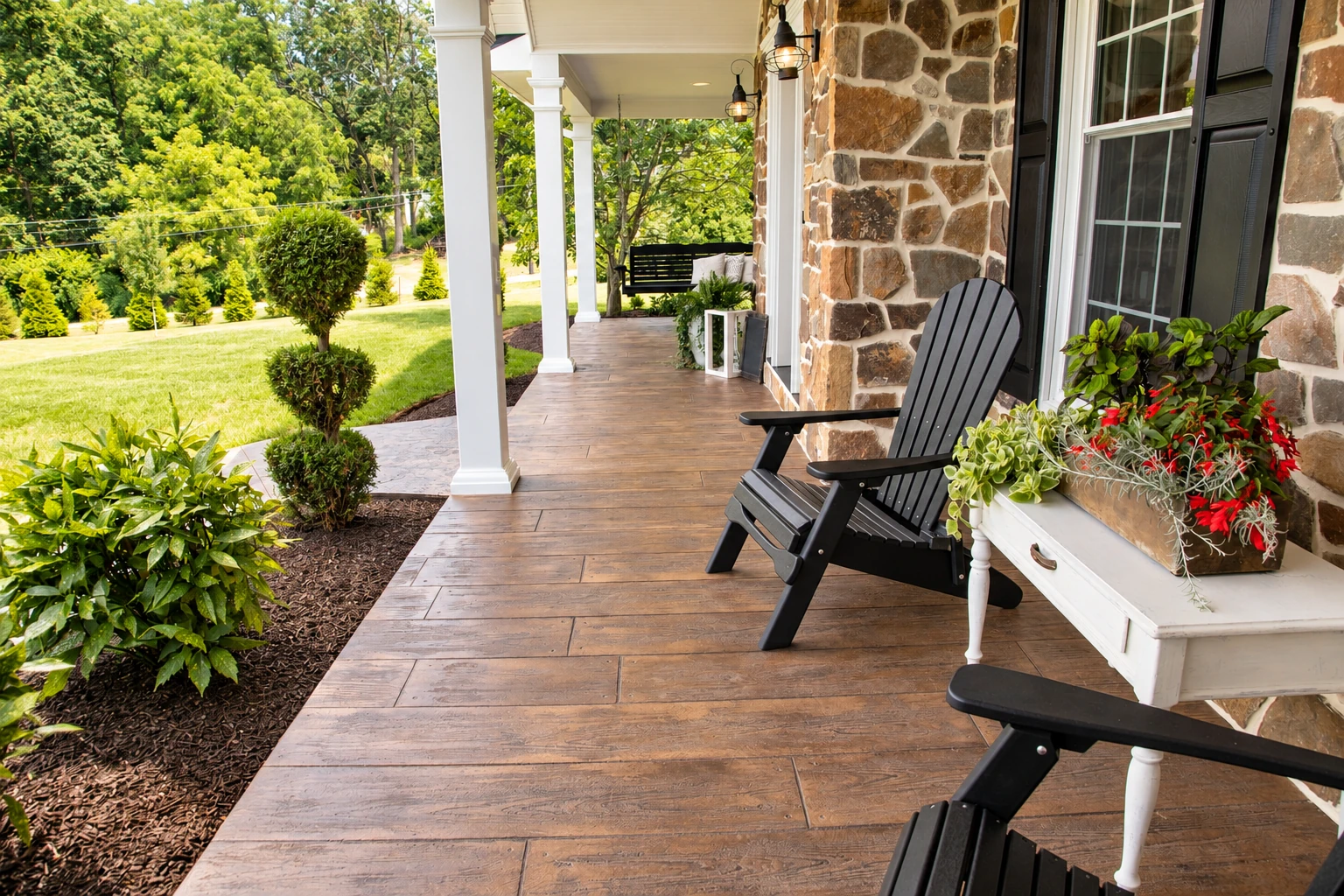
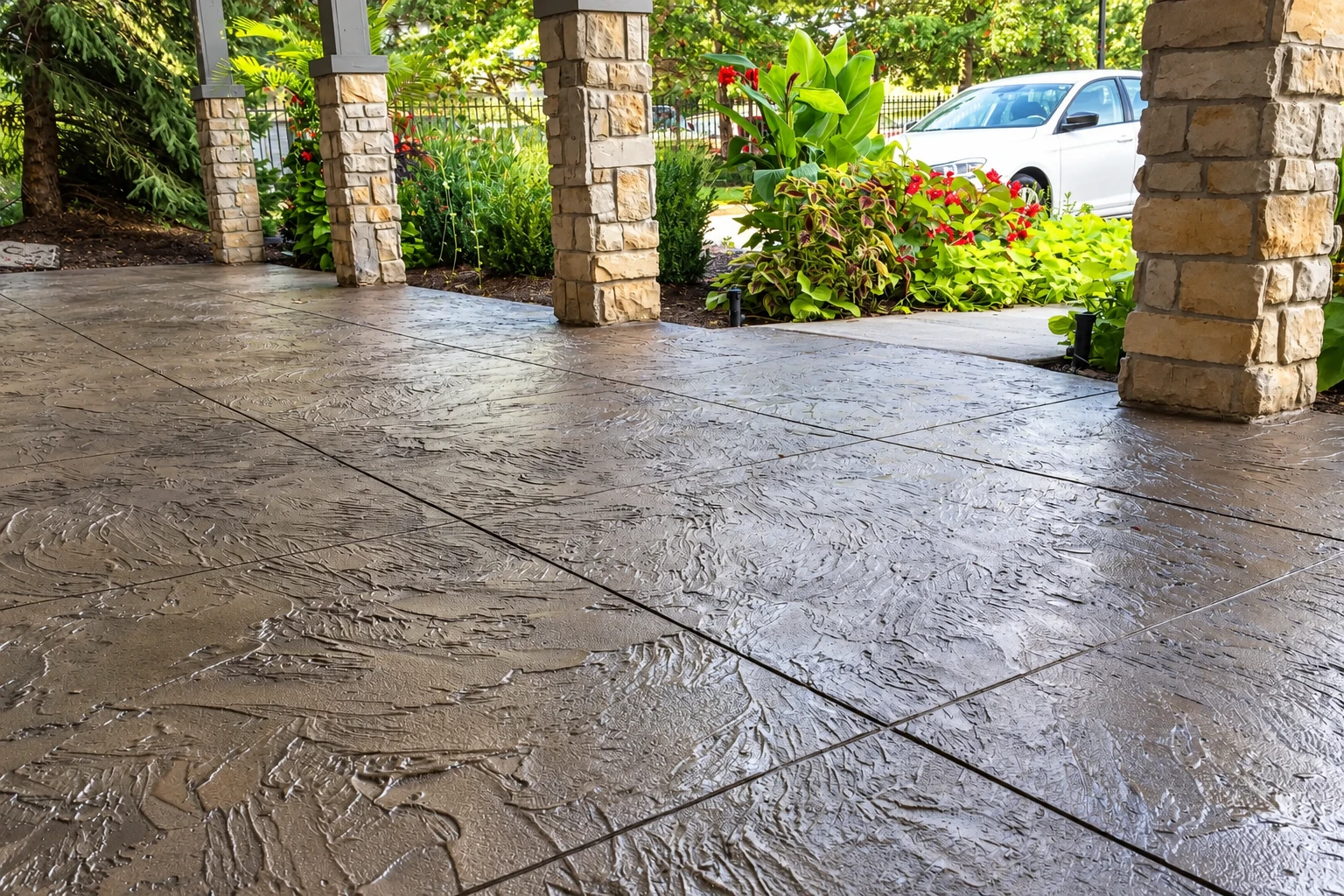
Decorative concrete patio with a textured, stamped stone pattern beneath a covered porch.

What we find around Long Beach houses

Long Beach has a lot of older houses on tight lots, and the concrete around many of them has been there a long time. On our jobs there we see driveways lifted by tree roots, narrow runs back to a garage off the alley, and patios that have settled until they tip water back toward the house.

Most of that comes down to what's underneath, so the first thing I want to know is what the old slab was poured on. When the truck can't get close, the tear-out and the pour take more planning, and those awkward jobs are the kind we like.

Get a free on-site estimate for your Long Beach concrete job

Call (424) 318-3115 or send the form, and we'll reply within one business day. I come out to your Long Beach address myself, look at the slab and what's under it, and write the estimate there, free and with no obligation. If you go ahead, I'm on the job with our crew too.

(424) 318-3115

Concrete work we do for Long Beach homes

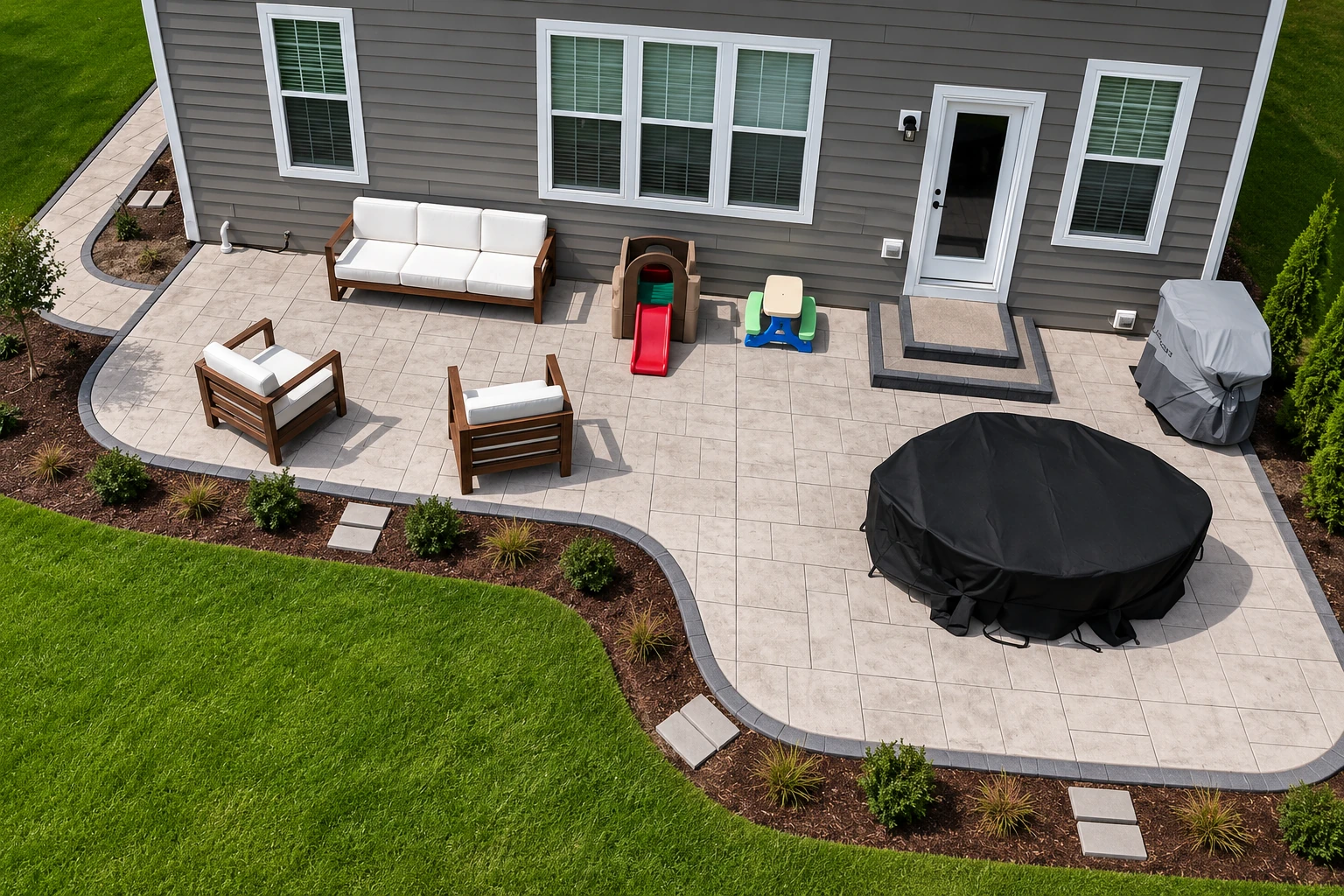
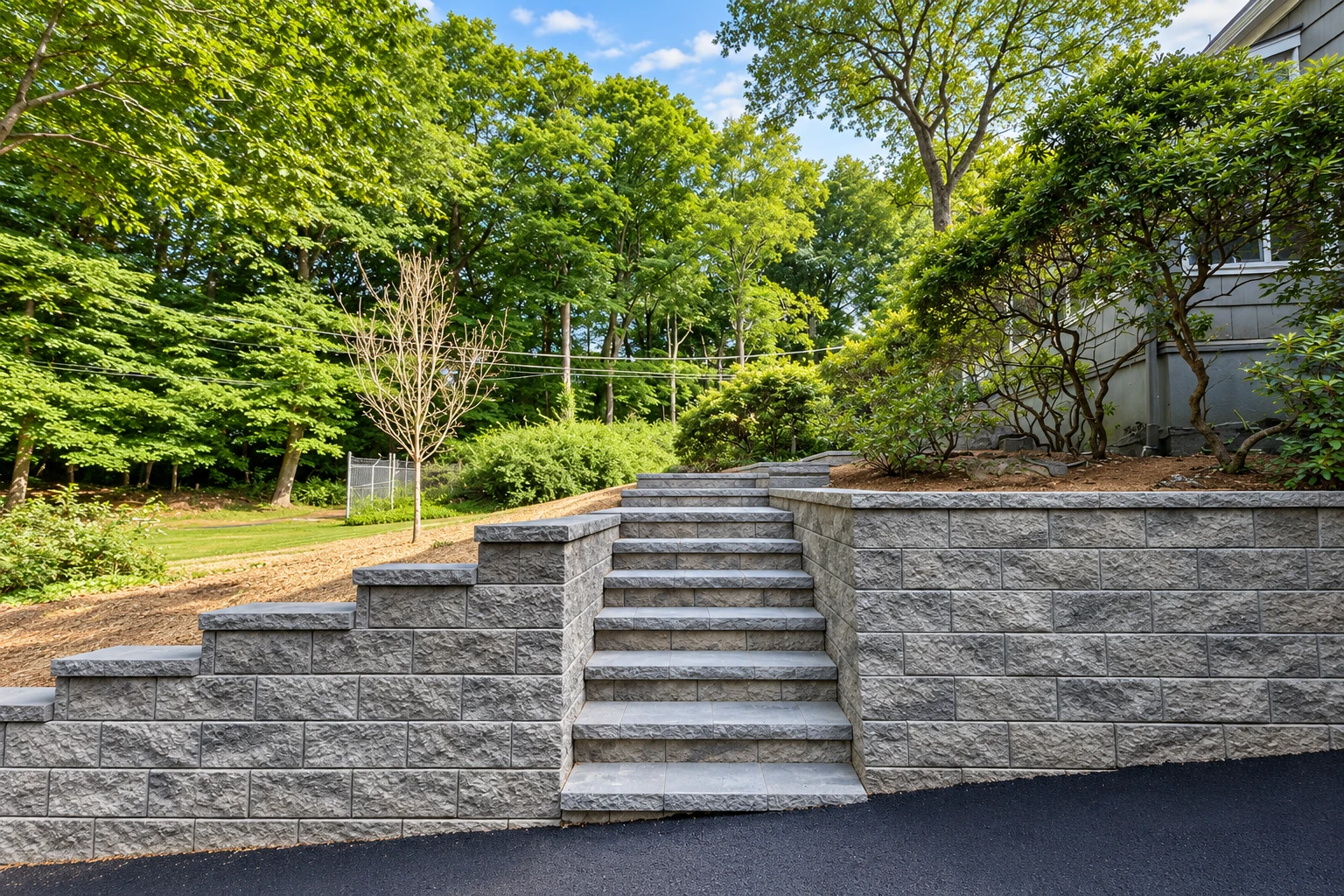
In Long Beach we mostly replace cracked and lifted driveways, including the narrow ones that run back to an alley garage, and pour backyard patios that drain away from the house instead of toward it. We also build front walks and steps and short retaining walls along side yards and property lines, and we cut through old slabs when a drain or a new walkway has to go in. Driveways get a broom finish, a light swept texture that keeps tires and shoes from slipping, and if you'd like color or a pattern, our decorative concrete work covers that.

Working in Long Beach: permits, licenses and what moves the price

The city's Development Permit Center issues building permits in Long Beach, and it issues them only to a contractor with a valid California contractor's license and an active Long Beach business license, so those are the two things to ask anyone you're comparing. Before we schedule anything, I check with the city on what your job needs, and if a permit is called for, we handle the paperwork with you, because the review and inspections usually set the start date. After that, your schedule turns on the weather and the curing wait, curing being the time fresh concrete needs to harden before it takes weight, and your price moves mostly with the size of the slab, how much old concrete comes out, how much base work the ground needs and how close the truck can get.

The city's Public Works department says some parts of Long Beach could flood in a major rainstorm, so on a slab here I start by looking at where water comes off the roof and runs across the yard, and we set the new concrete to fall away from the house so it carries that water off instead of toward your foundation. We see the same older lots, alley garages and tired driveways in West Carson and the other cities around Torrance, so we're used to planning a tear-out where the truck can't pull right up.
Why Long Beach homeowners call us

The owner writes your estimate and works the pour

I'm the one who comes out, looks at your slab, asks what's under it and writes the estimate. On the job I work alongside our crew, so the person who priced your work is standing there when the old concrete comes up and something unexpected shows.

Base dug out and packed, not raked level

A slab that sinks usually sat on loose dirt that was raked flat and poured over. We dig out and pack the subgrade, the ground the slab sits on, because nobody sees it on day one and it's what decides whether your slab settles.

Tight access and old slabs are our usual work

We've become known for the awkward jobs, like narrow side yards, cuts through old slabs and walls right on a property line. We're licensed and fully insured, satisfaction guaranteed, and you can call (424) 318-3115 to have me come take a look.

Questions Long Beach homeowners ask us about concrete

How much does it cost to replace a concrete driveway in Long Beach?

The price comes down to the size of the driveway, how much old concrete we break out and haul away, how much base work the ground needs, how close the truck can get and the finish you choose. Color and stamped patterns add to it, and so does a narrow alley or side yard we have to work through. If you need to trim the budget, cut the finish before the base, because a plain slab on a solid base outlasts a fancy one on loose dirt.

Do I need a permit to replace my concrete driveway in Long Beach?

Often yes, because the city says most construction on a home needs a permit and inspections, including replacements and repairs. Some minor work is exempt, but only when the city's Building Official decides it is, so it isn't something to guess at. You can read the city's permit guidance, and we find out what your job needs before anything goes on the calendar.

Can I get my own permit for concrete work on my Long Beach house?

Yes, the city lets a homeowner get a permit and do construction, alteration or repair on their own house and accessory buildings, as long as they live there or will live there. The city also limits owner permits to certain kinds of homes, so check its permit questions page before you plan on it. If you'd rather not deal with it, we handle the paperwork with you when we do the job.

When does a concrete contractor need a California state license?

A contractor needs a license from the state's Contractors State License Board when the job needs a building permit, uses any additional workers, or when the labor and materials on the project come to $1,000 or more. That covers just about any driveway or patio replacement, so ask for the license and check it before you sign. We're licensed and fully insured.

Does a short retaining wall need a permit in Long Beach?

A retaining wall no more than four feet tall, measured from the bottom of the footing to the top of the wall, doesn't need a building permit under the city's rules, unless an exception applies. The exemption doesn't cover a wall holding back sloping ground or carrying extra weight behind it, or a wall of any height on a slope steeper than one foot of rise for every five feet across. Walls beside a driveway or on a hillside yard often fall outside it, so we look at what's behind yours before anyone calls it exempt.

What causes concrete driveways and patios to crack and sink?

Usually it's the base, loose dirt that was raked level instead of dug out and packed, so the slab settles right along with the dirt. Water pooling against the slab, a pour in midday heat that leaves a weak, dusty top, and control joints that were cut late or skipped make it worse. Control joints are the straight grooves we cut so the slab cracks along a line we picked instead of across the middle, and rebar, the steel set inside, helps hold the pieces together. No slab is crack-proof, but those are the steps we don't skip.

How long will I be without my driveway when it's replaced?

You're off it through the tear-out, the base work, the pour and the curing wait, and the curing wait is the longest part. You can usually walk on new concrete well before you can drive on it, and cool weather stretches both, so I'll tell you when yours is ready for feet and when it's ready for the car. If inspections are part of your job, we build them into the plan so you know what to expect before we start.

Call (424) 318-3115